A beginner's first three sessions
A comparison of chance, complexity and player interaction
Practice exercise
In session one, practice legal moves. In session two, identify the opponent's threat before every move. In session three, replay one turning point from memory and compare alternatives.
Why this works
For a two-player evening, choose games with manageable setup and clear turn structure. Chess and Go offer no dice uncertainty, but demand different spatial reasoning. Backgammon asks you to react to probabilities; Hive emphasizes mobility without a fixed board.
Try it yourself
A useful teaching exercise is to give both players a simple position and ask each to explain their next move before playing. If the explanation is hard to understand, reduce the position size before increasing complexity.
Do you want perfect information?
Choose Chess, Go or Hive. Choose Backgammon if probabilities are part of the appeal.
Useful official resources
| Option | Best suited for | Official source |
|---|---|---|
 | Best for calculation | Visit source ↗ |
 | Best for territory | Visit source ↗ |
 | Best for calculated risk | Visit source ↗ |
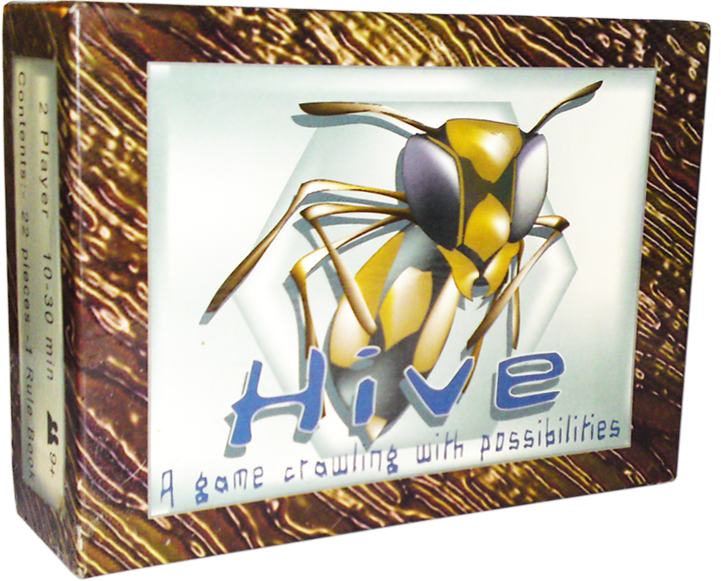 | Best for portable abstract play | Visit source ↗ |